Common Omaha Projects That Need Concrete Disposal
Concrete is one of the heaviest materials you will encounter on any job site in the Omaha area. Whether you are a homeowner tackling a weekend project or a contractor managing a larger build, concrete disposal comes up more often than most people expect. Here are the most common projects that generate concrete debris:
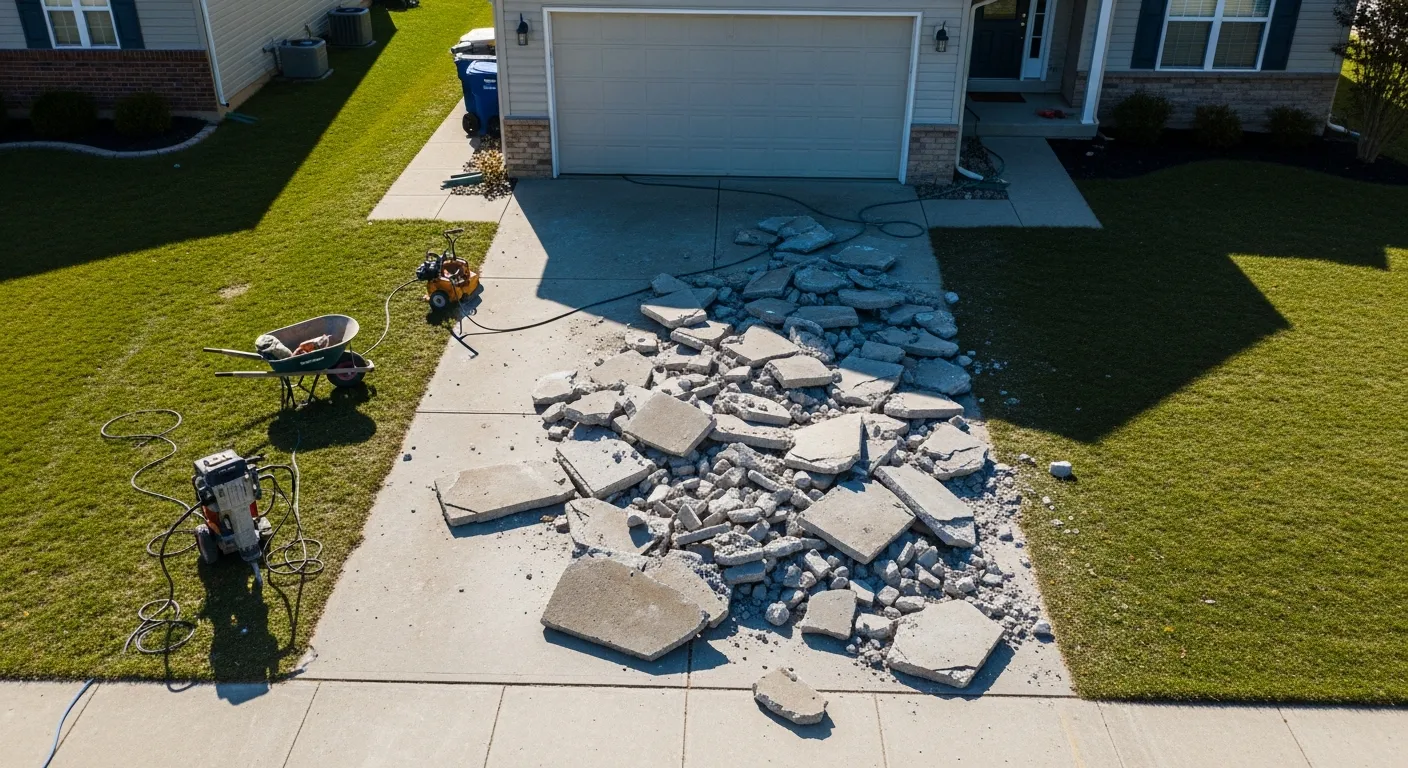
- Driveway removal and replacement: An old cracked driveway can produce several tons of concrete, especially for longer or double-wide driveways common in Omaha neighborhoods.
- Patio demolition: Backyard patios, especially thick-pour slabs, create heavy loads of broken concrete that need proper disposal.
- Foundation work: Basement foundation repairs, additions, or full teardowns generate significant amounts of reinforced concrete.
- Sidewalk replacement: Whether it is a city-mandated repair or a personal upgrade, old sidewalk sections add up fast in weight.
- Garage floor removal: Removing a garage slab before rebuilding is another major source of concrete waste.
For any of these projects, renting a dumpster designed to handle heavy materials is the most efficient way to manage disposal. A concrete debris dumpster rental keeps your work area clear and your project on schedule.
What Size Dumpster Do You Need for Concrete?
When it comes to concrete dumpster rental, size selection is different from standard debris. With most waste, volume is the limiting factor. With concrete, weight is the constraint.
A 10-yard dumpster is the most commonly recommended size for pure concrete loads. Why? Because even a 10-yard container can reach its weight limit well before it is full. Concrete weighs roughly 150 pounds per cubic foot, so a small volume of material can quickly add up to several tons.
Here is a general guide:
- 10-yard dumpster: Best for pure concrete loads. Small footprint fits most driveways. Ideal for single-project disposal like a sidewalk or small patio.
- 20-yard dumpster: Good for larger projects where concrete is mixed with other demolition debris. Be mindful of weight limits.
- 30-yard dumpster or 40-yard dumpster: Use these only when you have a large volume of mixed debris (drywall, wood, roofing) alongside some concrete. Filling a 30- or 40-yard container entirely with concrete would far exceed safe weight limits.
Not sure which size fits your project? Check out our guide on 10-yard dumpster pricing for concrete or call us at 402.205.3105 for a personalized recommendation.
Weight Limits and Overage Fees for Heavy Materials
Every dumpster rental comes with an included weight allowance. For heavy materials like concrete, this is the number you need to watch closely.
Exceeding the weight limit results in overage fees, which are charged per ton (prorated) above the included allowance. These fees exist because hauling overweight containers requires specialized equipment and costs more at the disposal facility.
To avoid surprises:
- Estimate your concrete volume before ordering. One cubic yard of concrete weighs approximately 4,000 pounds (2 tons).
- Choose the right dumpster size for your load type. A smaller dumpster with the right weight capacity is better than a larger one you cannot fill.
- Ask about weight limits upfront. When you contact redbox+, we will walk you through the weight allowance for each size so there are no surprises.
Concrete-Only vs. Mixed Debris Loads
One of the most important decisions when renting a dumpster for concrete removal is whether to keep your concrete separate or mix it with other debris.
Concrete-only loads are often preferred because:
- Recycling eligibility: Clean concrete (no rebar, dirt, or other materials) can be recycled into aggregate for road base and new construction projects. Keeping it separate may qualify for lower disposal rates at recycling facilities.
- Disposal cost savings: Some facilities charge less for clean, recyclable concrete compared to mixed construction and demolition waste.
- Environmental benefit: Recycling concrete keeps it out of landfills and reduces the need to mine new aggregate materials.
Mixed debris loads make sense when your project generates a combination of materials, such as a full demolition project that produces wood, drywall, roofing, and concrete together. In that case, sorting everything into separate containers is often impractical.
If you are doing a project that generates mostly concrete with some other materials, ask us about the best approach. We can help you decide whether one dumpster or two will be more cost-effective.
Tips for Loading Heavy Materials Safely
Loading concrete into a dumpster is not like tossing in bags of household junk. The weight of each piece demands careful handling. Follow these guidelines to keep your project safe and avoid issues:
- Distribute weight evenly across the floor of the dumpster. Do not pile all the concrete in one corner or end. Uneven loading can make the container unstable during pickup and transport.
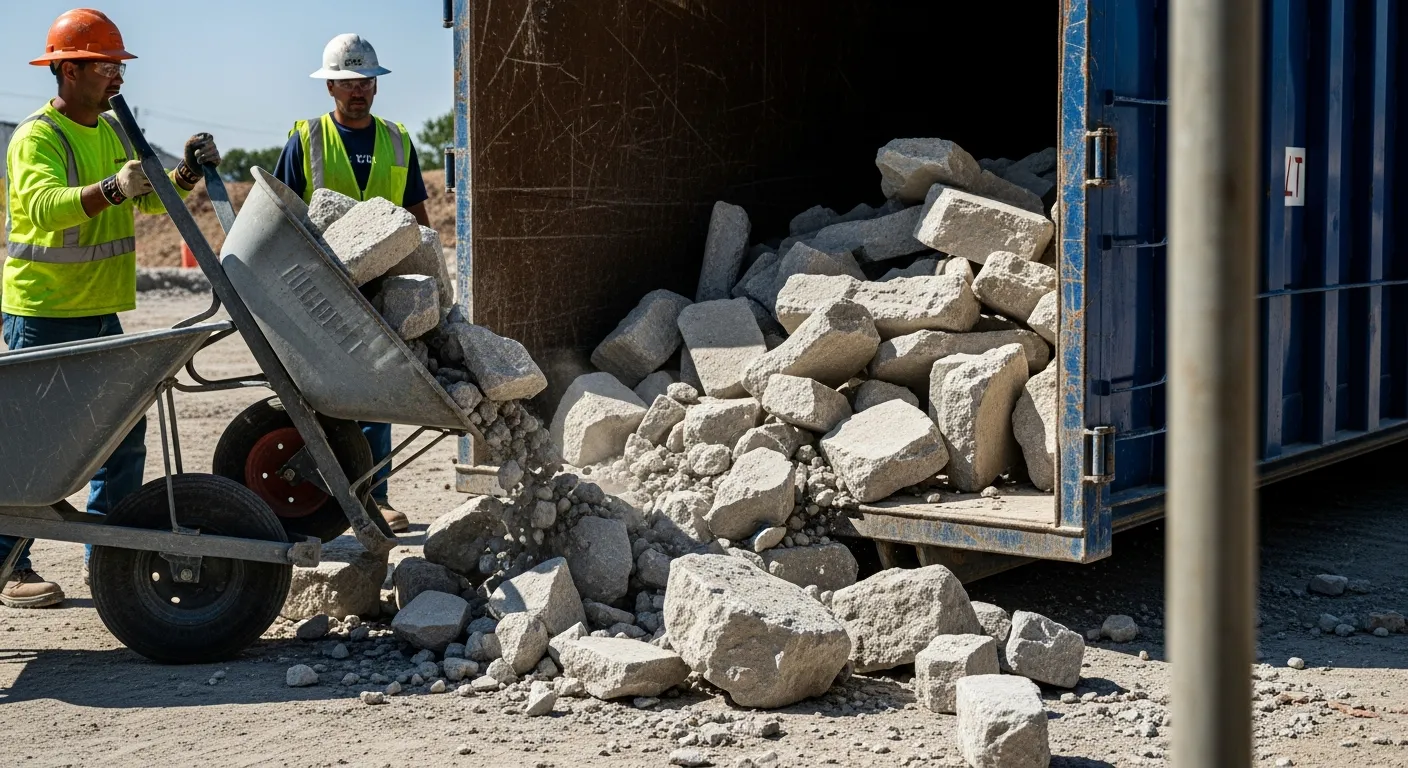
- Break larger pieces into manageable chunks. Use a sledgehammer or jackhammer to break slabs into pieces you can safely lift and carry. Smaller pieces also pack more efficiently.
- Use the walk-in door. Our roll-off dumpsters have a rear swing door that lets you walk heavy material directly into the container instead of lifting it over the sides.
- Do not exceed the fill line. Material should sit level with or below the top edge of the dumpster. Overloaded containers cannot be safely transported.
- Wear proper safety gear. Steel-toed boots, heavy gloves, and safety glasses are essential when handling broken concrete.
Concrete Recycling Options in Omaha
The Omaha metro area has several concrete recycling options, making disposal more sustainable and potentially more affordable. Concrete recycling facilities crush old concrete into reusable aggregate that serves as base material for roads, parking lots, and new construction foundations.
When you rent a dumpster from redbox+ Dumpsters of Omaha, we handle the disposal logistics for you. We work with local facilities to ensure your concrete waste is disposed of responsibly. If you have a large volume of clean concrete, let us know, as we may be able to route it directly to a recycling facility.
Recycling concrete is not just good for the environment. It also supports Omaha’s growing construction industry by providing affordable recycled aggregate for local infrastructure projects.
What Affects the Cost of a Concrete Dumpster Rental?
Several factors determine what you will pay for a concrete dumpster rental in Omaha:
- Dumpster size: Smaller containers cost less upfront but may have lower weight allowances. Match the size to your project scope.
- Weight of material: This is the biggest cost driver for concrete loads. Heavier loads cost more to haul and dispose of.
- Rental period: Standard rental periods give you time to complete your project. Extensions are available if you need more time.
- Delivery location: Distance from our depot to your site within the Omaha metro area and surrounding communities can affect pricing.
- Load type: Clean, recyclable concrete may cost less to dispose of than mixed construction waste.
We provide transparent, upfront quotes so you know exactly what to expect. Get a quote for your concrete disposal project by calling 402.205.3105.
Why Redbox+ Is the Right Choice for Heavy Debris in Omaha
Not every dumpster rental company is equipped to handle heavy materials like concrete. Here is why Omaha homeowners and contractors choose redbox+ Dumpsters for their concrete disposal projects:
- Equipment built for heavy loads: Our roll-off dumpsters are designed to handle dense, heavy materials. We will recommend the right size to match your weight requirements.
- Locally owned and operated: We are part of the Omaha community and understand the local disposal requirements, recycling options, and permitting needs in the metro area.
- Fast delivery and pickup: We know your project timeline matters. We deliver quickly and pick up promptly when you are done.
- The patented Elite dumpster: For construction projects that need both waste disposal and portable sanitation, our Elite dumpster combines a roll-off container with an integrated portable toilet in one unit, saving you time, space, and money.
- Transparent pricing: No hidden fees. We explain weight limits, overage charges, and rental terms before you book.
Ready to get started on your concrete removal project? Call redbox+ Dumpsters of Omaha at 402.205.3105 or contact us online for a free quote.
Frequently Asked Questions
What size dumpster should I rent for concrete?
A 10-yard dumpster is typically the best choice for pure concrete loads. Concrete is extremely heavy, weighing about 150 pounds per cubic foot, so even a small dumpster can reach its weight limit quickly. For mixed debris projects that include some concrete, a 20-yard dumpster may be more appropriate.
Can I put concrete in a regular dumpster?
Yes, but you need to be aware of weight limits. Concrete is much heavier than typical household or construction waste. Always let your dumpster rental provider know you will be disposing of concrete so they can recommend the right container size and weight allowance.
How much does a concrete dumpster rental cost in Omaha?
The cost depends on the dumpster size, weight of concrete, rental duration, and delivery location. Because concrete is a heavy material, weight-based overage fees are the primary cost variable. Contact redbox+ Dumpsters of Omaha at 402.205.3105 for a customized quote for your project.
Can concrete be recycled in Omaha?
Yes. The Omaha metro area has concrete recycling facilities that crush old concrete into reusable aggregate for road construction and building foundations. Clean, uncontaminated concrete is the best candidate for recycling. When you rent from redbox+, we handle disposal logistics and route recyclable loads appropriately.
How heavy is a dumpster full of concrete?
A 10-yard dumpster completely filled with concrete could weigh over 10 tons. This is why dumpster rental companies set weight limits well below full capacity for heavy materials. You will typically fill a concrete dumpster to only a fraction of its volume before reaching the weight allowance.